

Mistakes you are making when brewing coffee at home or the office
<p>Do you love the smell of fresh-brewed coffee in the morning? If so, you’re not alone. Millions of people start their day with a cup of…</p>
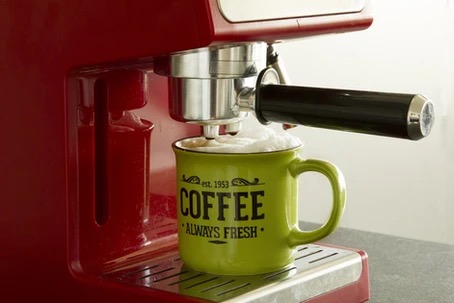
Do you love the smell of fresh-brewed coffee in the morning? If so, you’re not alone. Millions of people start their day with a cup of coffee. But what if we told you that you were making mistakes when brewing your coffee at home? In this blog post, we will discuss the biggest mistakes people make when brewing coffee and how to avoid them.
We’ll also give you tips for brewing the perfect cup!

The first mistake people make when brewing coffee is using tap water. Tap water contains chlorine and other chemicals that can give your coffee a bitter taste. If you want to make the best cup of coffee, use filtered or distilled water.
Another mistake people make is not grinding their beans fresh. Coffee beans start to lose their flavor as soon as they’re ground, so it’s important to grind them right before brewing. If you don’t have a coffee grinder, you can buy whole beans and grind them at the store. Coffee is a storyteller of flavors, and all those flavors stay packed inside the bean until it is ground open.
Once ground, the clock on a coffee bean’s shelf life starts ticking. From grinding, to packaging, to shipping and distribution, then purchased and consumed by you, there could be months between processing and drinking. And yet, the first few moments after being ground are the most crucial for retaining flavor.
We aren’t exaggerating when we say the first few moments — beans lose most of their natural flavor potency in just 10 minutes to half an hour. Ground coffee oxidizes much faster than the whole bean, making it far less suitable for long-term storage. As a bean oxidizes, its sugar and acidic components begin to decay and disappear. If you’ve been buying pre-ground coffee for years, the first use of freshly-ground, whole-bean coffee will blow you away and awaken your tastebuds.
It’s not just the realisation that there’s more out there than stale, bitter, boring grounds that make you grimace with each sip — buying whole beans and a grinder to process them with gives you more control over the different brewing methods you can use. And, it will save you money in the long run
The coffee ground’s size is important because it directly affects the amount of time that the water spends in contact with the coffee bean. The more surface area that is exposed, the more flavor and caffeine will be extracted from the beans. If the grounds are too coarse, the water will move too quickly and won’t have enough time to extract all of the good stuff. This will result in a weak and watery cup of coffee.
To avoid this, it is important to use the right grind size for your brewing method. If you are using a drip coffee maker, you will want to use a medium-fine grind. For French press or cold brew, you will want to use a coarse grind. And for espresso, you will want to use a fine grind.
If you find that your coffee is too weak or watery, you are likely using grounds that are too coarse. Try grinding your beans a bit finer and see if that makes a difference.
The over-extraction of coffee can also happen if you let the grounds steep for too long. If you’re using a French press, for example, the mesh filter may not be able to catch all of the very fine coffee grounds. This will result in a much-bitterer cup of coffee. To avoid this, make sure to use a coarser grind and steep for a shorter amount of time.
If you’re using an espresso machine, you should also be aware that grinding your beans too fine can result in an over-extracted cup of coffee. This is because the water can pass through the grounds much more quickly when they’re finely ground. As a result, you’ll end up with a cup of coffee that is much more bitter than it should be. To avoid this, use a slightly coarser grind for your espresso.
In general, it’s best to err on the side of a coarser grind if you’re not sure. You can always grind your beans finer if needed, but you can’t undo an over-extracted cup of coffee. So, start with a coarser grind and adjust as needed until you find the perfect balance for your taste buds.
Here are four coffee brewing methods to get you started on your journey:
The French Press: The French press is a coffee brewing device popularized in the early 1900s. It works by steeping coarsely ground beans in water for several minutes, then pressing the plunger down to filter out the grounds. This results in a velvety, rich cup of coffee.
The Aeropress: The Aeropress is a newer invention, created in 2005. It brews coffee by forcing hot water through ground beans under high pressure, resulting in a concentrated espresso-like drink.
The Pour Over: The pour-over is a simple brewing method that anyone can do at home. All you need is a filter, grounds, and hot water. Pour a small amount of water over the grounds to wet them, then slowly pour the rest of the water in a circular motion. Let it drip through and enjoy!
The Cold Brew: For those who prefer their coffee on the cold side, the cold brew method is for you. It involves steeping grounds in cold water for 12-24 hours, resulting in a smooth and less acidic cup of coffee. Perfect for summer mornings!
So whilst we are not advocating you ditch your trusty Coffee machine, why not explore the wide world of coffee brewing methods. With so many options out there, there’s bound to be one that’s perfect for you. Who knows, you might even find your new favorite way to enjoy coffee at home.
Now that you know the biggest mistakes people make when brewing coffee, you can avoid them and make the perfect cup of coffee at home! Follow these tips and you’ll be on your way to becoming a coffee connoisseur in no time. Cheers!
Happy brewing!
Is your FM contract delivering what it should?
Book a free discovery call with an EMC consultant. Evidence led, no obligation.



Book a call with EMC
Tell us a little about your FM arrangements and we will come back within one working day to arrange a time.

