

Safe Enough Is Not Evidence: What New Lone Worker Research Means for FM Contracts
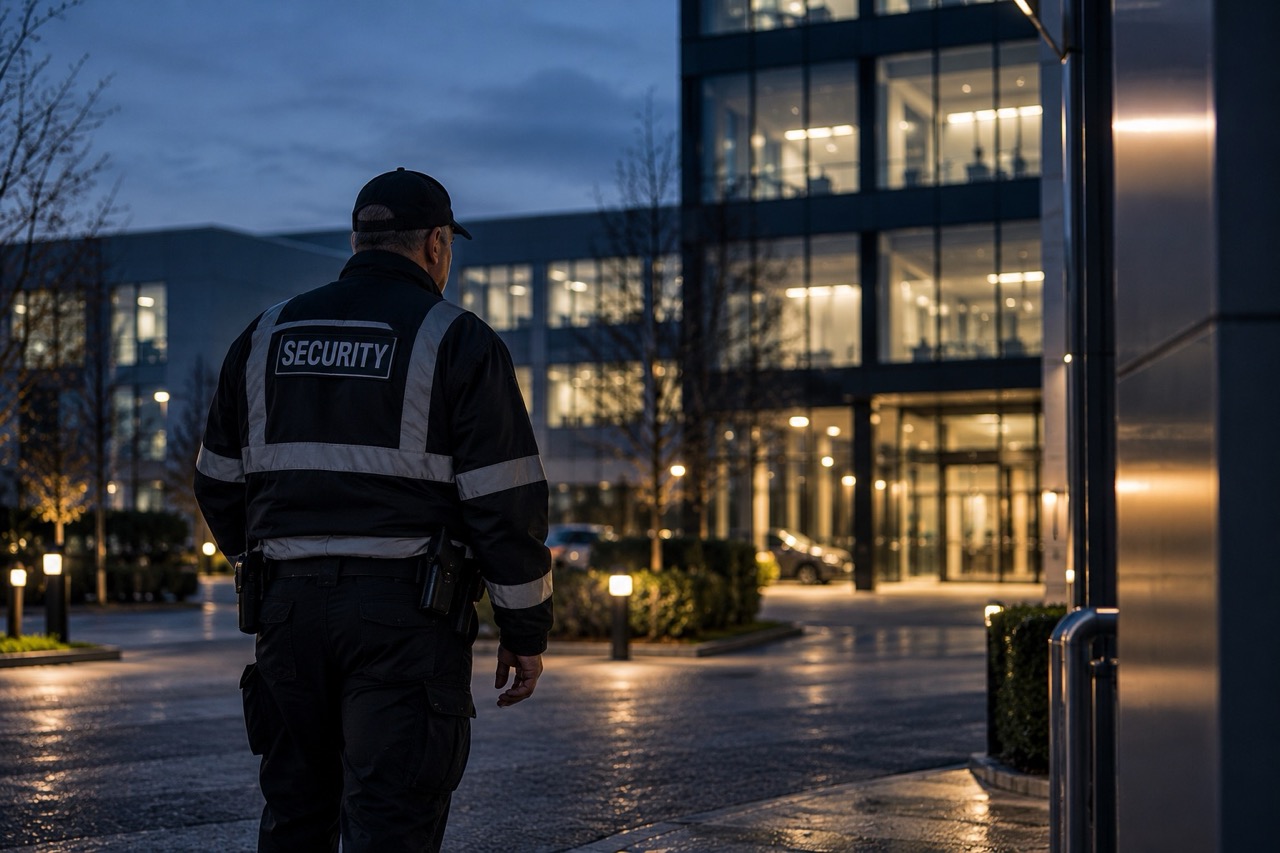
Almost every lone worker in a new Securitas UK survey says they feel safe. Dig one layer down and the picture changes completely.
For facilities management, where lone working is built into the operating model, the findings are less a safety story than a contract assurance story.
The number that matters is not the headline
The headline from Securitas UK’s latest research is reassuring. Of 500 UK lone workers surveyed, 95% said they generally feel safe at work.
The detail underneath is anything but.
More than two in five (43%) said they had felt threatened while working alone. Over a third (36%) had experienced a workplace incident. Almost half (46%) said they receive no lone worker safety training from their employer, and 58% believe their employer could be doing more to protect them. More than a quarter said lone working affects their mental wellbeing, and 38% said they often or sometimes feel isolated.
One thing I’ve noticed over 25 years of reviewing FM contracts is that the gap between how things feel and what is actually happening is where most of the risk lives. This survey is a textbook example. A workforce that feels safe while a large share of it has been threatened is not a safe workforce. It is a workforce that has normalised risk.
Gary Agnew, Head of Solutions at Securitas UK, put it plainly: “‘Safe enough’ can no longer be considered good enough for lone workers.”
I would go one step further. In an outsourced FM environment, “safe enough” is rarely even measured.
FM is a lone working industry
Estimates vary, but the most commonly cited figure is that up to 8 million people in the UK work alone for all or part of their day, around 22% of the working population.
Facilities management accounts for a significant share of them, often without anyone describing it that way. Consider who is on site in a typical estate:
- the cleaner opening up a building at 5am or locking it at 10pm
- the security officer on a solo night patrol of a car park or campus
- the mobile engineer attending a reactive call in a plant room, roof void or riser
- the porter, the vending operative restocking machines out of hours, the caretaker covering a weekend
HSE defines a lone worker as anyone working by themselves without close or direct supervision. By that definition, a very large part of the soft and hard FM workforce is lone working every shift. Earlier industry research suggested that around two thirds of people who regularly work without supervision do not consider themselves lone workers at all. If the worker does not recognise the risk, and the client does not ask about it, the only party left holding it is the contractor’s policy document.
The law does not care how safe people feel
There is no general prohibition on working alone. The duties sit in the Health and Safety at Work etc. Act 1974 and the Management of Health and Safety at Work Regulations 1999. Employers must assess the risks to lone workers, put proportionate controls in place, and provide information, instruction, training and supervision. HSE’s guidance (INDG73) is clear that a separate lone working risk assessment is not mandatory, but the risks of working alone must be properly covered within the employer’s assessment.
Two points are routinely overlooked in FM.
First, the employer’s responsibility cannot be handed to the worker. A lone worker app on a phone does not transfer the duty to the person carrying it.
Second, FM sites are shared workplaces. Regulation 11 of the Management Regulations requires every employer sharing a workplace to co-operate, co-ordinate their safety measures and tell each other about the risks their work creates. When a contractor’s cleaner works alone in a client’s building, both organisations have a part to play. A client who has never asked how its contractors manage lone working is not a bystander. It is a party to the arrangement.
Lone working is often a procurement decision first
Experience has taught me that many lone working risks are created at the tender stage, long before anyone writes a risk assessment.
When a specification is squeezed on price, the first thing to give is usually headcount. Two operatives on an evening clean become one. A double crewed night patrol becomes a single officer with a radio. A planned maintenance round that used two engineers is resequenced so one can complete it alone. Each decision looks like an efficiency on the pricing schedule. Each one also increases the number of hours worked alone, often in the riskiest parts of the day.
None of this is necessarily wrong. Lone working is lawful and often entirely appropriate. The problem is that the decision is rarely recognised as a safety decision when it is made, and the tender evaluation almost never tests it. Bidders submit a lone working policy, it scores well because it exists, and the evaluation moves on.
A device in a drawer is not a control
The most useful part of the Securitas research, for anyone managing an FM contract, is what it says about the tools already in place. One in four respondents lacked confidence that the safety equipment they had been given would protect them in an emergency. One in five were not comfortable using it. A third never check in during their shifts.
That last figure should stop any contract manager in their tracks. A check in system that a third of people do not use is not a system. It is an assumption.
The evidence tells us this is a familiar pattern. Contract reporting is built around what the provider chooses to report, and in most monthly packs lone worker safety appears, at best, as a line confirming that a policy exists and incidents were nil. Nil incidents is not the same as nil risk. With 43% of lone workers saying they have felt threatened, a reported figure of zero should prompt a question about reporting culture, not a sense of comfort.
This is the same issue we see across FM performance data generally. Self reported information tells you what the provider believes, or wants you to believe. It does not tell you what is happening on site.
What good looks like in the contract
None of this requires a new regulatory regime. It requires clients and providers to treat lone working as something to be evidenced rather than asserted. In practical terms:
At specification and tender. Identify where the service model will involve lone working, particularly out of hours, and ask bidders to explain how their staffing proposals affect it. Where the risk warrants monitored protection, specify a service delivered to BS 8484:2022, the British Standard code of practice covering lone worker devices, the service provider and the alarm receiving centre behind it. Evaluate how the arrangements will work in practice, not simply whether a policy has been attached.
In the performance framework. Ask for data, not declarations. Check in compliance rates by site and shift, alarm activations and response times, device allocation against rota, training completion for every operative who works alone, and near misses and threats as well as injuries.
In governance. Put lone working on the agenda of the shared workplace conversation required by Regulation 11. Agree who does what when an alarm is raised on the client’s premises, who responds, and how quickly.
With the workforce. The survey shows isolation and wellbeing are part of the picture, not an afterthought. Regular contact during shifts, a clear route for raising concerns, and evidence that concerns are acted on matter as much as the hardware.
Through assurance. Test what is reported. Sample check in logs against rotas. Speak to operatives on early and late shifts. Compare incident and near miss reporting with what staff say when asked directly. The difference between the two is usually the most valuable finding.
Evidence before solutions
The Securitas findings are framed, understandably, around technology and training. Both matter. But the deeper lesson for FM leaders is about evidence. A workforce that says it feels safe, a provider that reports nil incidents and a contract that contains a policy can all coexist with a third of lone workers never checking in.
At EMC we start every review with the same question: what is really happening? Lone working is a good place to ask it, because the answer cannot be found in the contract documents. It sits in the rotas, the check in logs and the conversations with people who open and close your buildings every day.
If you are responsible for an outsourced FM contract, the question worth taking away is a simple one. Could you evidence, today, that the people working alone on your estate are protected in practice and not just on paper?
Is your FM contract delivering what it should?
Book a free discovery call with an EMC consultant. Evidence led, no obligation.


Book a call with EMC
Tell us a little about your FM arrangements and we will come back within one working day to arrange a time.

